
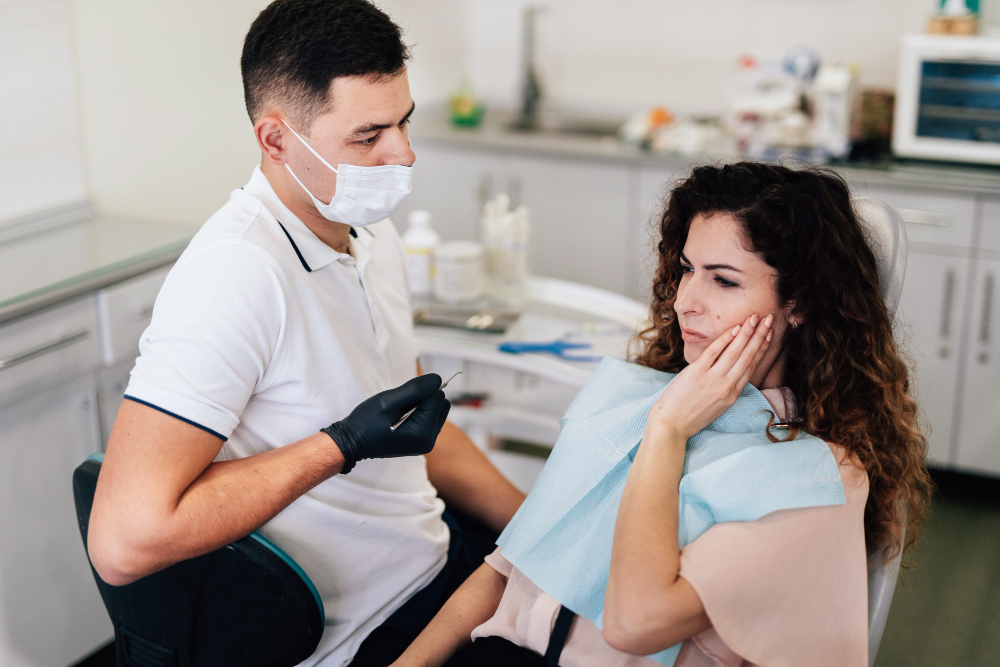
Dental problems can happen at any time. Emergency dental care means getting quick help for sudden tooth pain, injuries, or infections. If you act fast, you can save your teeth and avoid more problems. In this guide, you will learn what to do for a dental emergency, how to handle dental trauma, and when to find an emergency dentist near you.
Common Dental Emergencies
Many dental issues need urgent dental treatment. Knowing the most common emergencies can help you act quickly. Here are some examples:
According to the American Dental Association (ADA), these problems need fast care to prevent lasting damage.
Symptoms That Require Immediate Attention
Some signs mean you need emergency dental care right away. For example, you should not wait if you notice:
If you have any of these symptoms, seek urgent dental treatment as soon as possible. Quick action can make a big difference.
Step-by-Step Actions to Take During a Dental Emergency
When a dental emergency happens, stay calm and follow these steps. Acting quickly can help save your tooth and reduce pain.
For all emergencies, call your dentist or search for “emergency dentist near me” to get help fast.
When to Visit the Dentist or Emergency Room
Sometimes, you may wonder if you should go to the dentist or the emergency room. In most cases, a dentist can handle dental emergencies. However, you should go to the emergency room if you have:
Otherwise, contact your dentist for urgent dental treatment. Many clinics offer same-day visits for emergencies. If you are traveling, search for “emergency dental care in [city]” to find help nearby.
Prevention Tips for Dental Emergencies
While not all emergencies can be avoided, you can lower your risk with good habits. Here are some tips:
By following these steps, you can help protect your teeth and gums from injury or infection.
Home Care Guidance Until Professional Help Is Available
“Sometimes, you may need to wait before seeing a dentist. In the meantime, you can manage pain and protect your teeth:
However, these steps are only for short-term relief. Always seek professional emergency dental care as soon as possible.
If you experience a dental emergency, consult LUMOS DENTAL CARE immediately for personalized care.”