
Introduction
Are you thinking about straightening your teeth? You may wonder about braces vs. aligners: which is right for you? Both options can help you get a healthy, beautiful smile. However, each has its own benefits and drawbacks. In this blog, we will explain what braces and aligners are, how they work, and how to choose the best orthodontic treatment option for your needs.
What Are Braces?
Braces are devices that help move your teeth into better positions. Usually, they are made of metal or ceramic. Braces use brackets, wires, and small rubber bands. The orthodontist attaches the brackets to your teeth and connects them with a wire. Over time, the wire gently shifts your teeth.
Braces are adjusted every few weeks by your orthodontist. This helps your teeth move slowly and safely.
What Are Aligners?
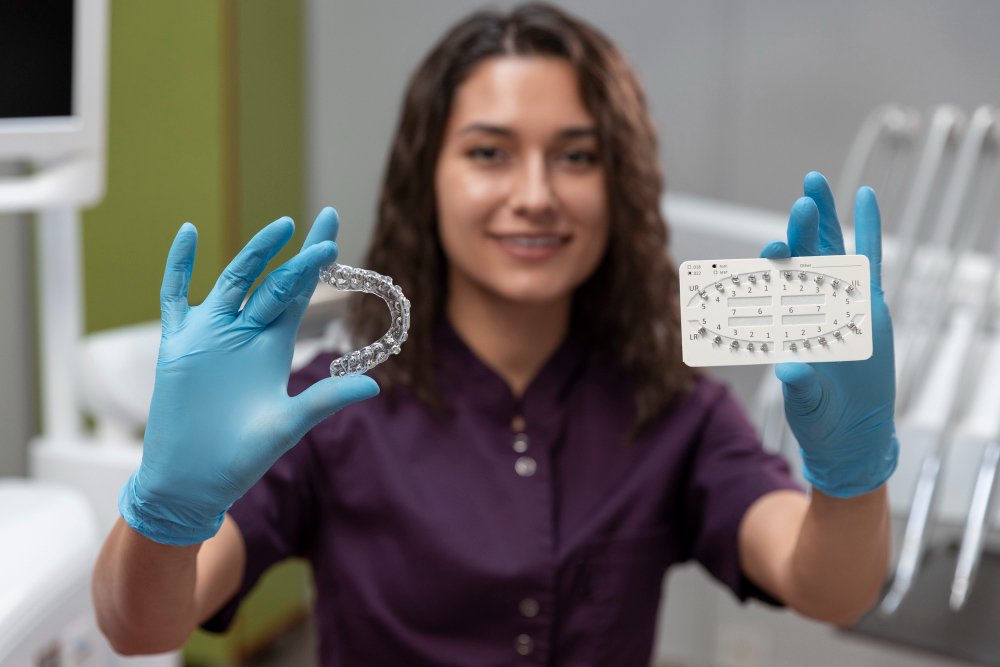
Aligners are clear, removable trays that fit over your teeth. They are made from smooth plastic and are almost invisible. Aligners work by gently pushing your teeth into place. You get a new set of aligners every one to two weeks. Each set moves your teeth a little more.
Because aligners are removable, you can take them out to eat, brush, and floss. But you must wear them for 20–22 hours each day for the best results.
Key Differences Between Braces and Aligners
Pros and Cons of Braces
Pros and Cons of Aligners
Who Is a Good Candidate for Each Option?
Not everyone is suited for both braces and aligners. For example, braces are better for complex tooth movements or severe bite issues. Aligners work best for mild to moderate problems. Children and teens often use braces, while adults may prefer aligners for a discreet look. Your orthodontist will help you decide based on your needs.
Cost Comparison
Cost is a big factor in choosing between braces and aligners. Usually, metal braces are less expensive than clear aligners. However, prices can vary based on your location, the type of treatment, and how long you need it. Some dental insurance plans may cover part of the cost. Always ask your orthodontist for a detailed estimate.
Care and Maintenance Tips
Common Myths and Facts
How to Decide: Factors to Consider
Think about these factors and talk with your orthodontist. They can help you choose the best orthodontic treatment option for your smile.
Prevention and Oral Health Tips During Treatment
Good oral care helps prevent cavities and gum problems during your treatment.
Conclusion
Both braces and aligners can help you achieve a healthy, straight smile. Each option has its own pros and cons. Consider your needs, lifestyle, and budget. Most importantly, consult a qualified orthodontist at LUMOS DENTAL CARE to find the best treatment option for your smile.