
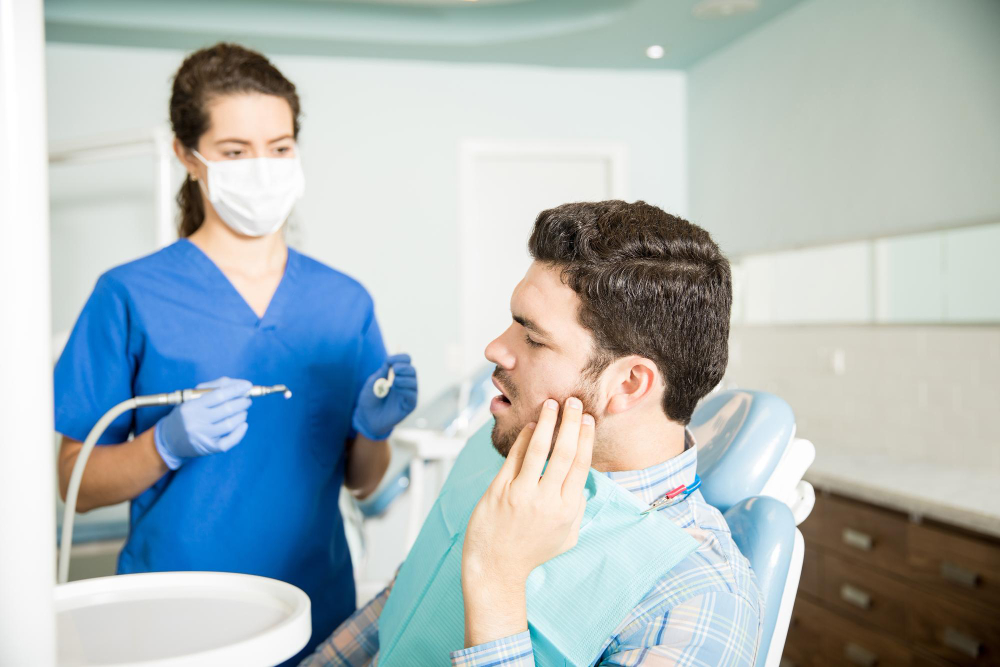
Many people wonder, do all teeth crack in a similar way? Understanding the types of tooth cracks, cracked tooth symptoms, and dental crack prevention can help you protect your smile. While cracked teeth are common, not every crack is the same. In this blog, we will explore what causes teeth to crack, the different types of cracks, and how you can keep your teeth healthy. If you live in a busy city or a small town, knowing these facts can help you avoid dental problems.
What Causes Teeth to Crack?
Teeth can crack for many reasons. Sometimes, a simple accident can cause a crack. Other times, daily habits put stress on your teeth. For example, chewing hard foods or grinding your teeth at night can lead to cracks. In addition, sudden changes in mouth temperature, like eating something hot and then drinking something cold, may also cause cracks. Age can play a role as well, since teeth become weaker over time. According to the American Dental Association, even large fillings can make teeth more likely to crack.
Types of Tooth Cracks
Not all tooth cracks are the same. Dentists see several types, each with its own features. Here are the main types:
Do All Teeth Crack in a Similar Way?
Although all teeth can crack, they do not crack in the same way. For instance, front teeth often crack from injury or biting hard objects. Back teeth, especially molars, are more likely to crack from chewing or grinding. The type of crack also depends on the tooth’s shape and use. Because each tooth faces different forces, the cracks can look and feel different. Therefore, it is important to see a dentist if you notice any changes in your teeth.
Symptoms of Cracked Teeth
Sometimes, a cracked tooth does not hurt right away. However, you may notice some signs. Watch for these symptoms:
Even if the pain stops, the crack may still be there. So, it is wise to get checked by a dentist.
Diagnosis and Treatment Options
Dentists use several methods to find cracked teeth. They may look closely at your teeth, use a special light, or take X-rays. Sometimes, they ask you to bite down to see where it hurts. Once they find the crack, treatment depends on its type and location. Common treatments include:
Early treatment can save your tooth and prevent more damage. Therefore, do not wait if you notice symptoms.
Prevention Tips for Cracked Teeth
While not all cracks can be avoided, you can lower your risk. Try these prevention tips:
By following these steps, you can help keep your teeth strong and healthy.
In summary, not all teeth crack in a similar way. Each tooth and crack is unique. If you think you have a cracked tooth, do not ignore it. Consult a dentist at LUMOS DENTAL CARE for personalized advice if you suspect a cracked tooth.