
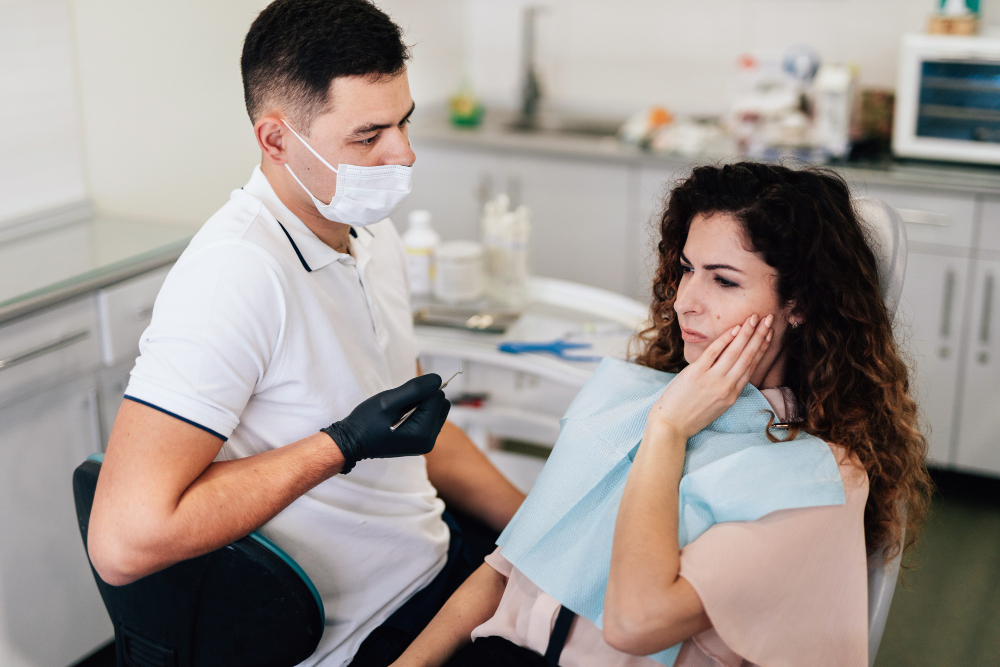
What Is Temporomandibular Joint Disorder?
Temporomandibular Joint Disorder, often called TMJ or TMD, affects the jaw joint. This joint connects your jawbone to your skull. When it does not work well, you may feel pain or have trouble moving your jaw. TMJ can cause many problems, but many people do not know they have it. According to the CDC, jaw pain is a common reason people visit the dentist. Understanding TMJ symptoms and jaw pain causes can help you know when to see a dentist for jaw pain. Early checks can lead to better treatment for temporomandibular joint disorder.
Reason 1: Jaw Pain Can Signal a Bigger Problem
First, jaw pain is not always simple. Sometimes, it means there is a deeper issue. TMJ can cause pain in your jaw, face, or even your neck. For example, you might feel pain when chewing or talking. If you ignore this pain, it may get worse over time. In some cases, untreated TMJ can lead to long-term joint damage. Therefore, getting checked early can help prevent bigger problems. The World Health Organization notes that early care often leads to better results.
Reason 2: TMJ Symptoms Can Affect Daily Life
Next, TMJ symptoms can make daily tasks hard. You may find it tough to eat, speak, or even yawn. Sometimes, the pain spreads to your ears or head. As a result, you might get headaches or earaches. These symptoms can lower your quality of life. Even simple things, like smiling, may hurt. Because of this, it is important to get checked if you notice these signs. Early treatment for temporomandibular joint disorder can help you feel better and enjoy daily life again.
Reason 3: Early Diagnosis Means Better Treatment Options
Also, finding TMJ early gives you more choices for care. Dentists can suggest simple treatments if you catch it soon. For instance, they may recommend jaw exercises, mouth guards, or gentle pain relief. If you wait too long, you might need more complex treatments. According to dental journals, early care often prevents the need for surgery. So, seeing a dentist early can save you time, money, and discomfort. When you act fast, you have a better chance of full recovery.
Reason 4: TMJ Can Be Linked to Other Health Issues
Finally, TMJ is sometimes related to other health problems. For example, stress, teeth grinding, or arthritis can make TMJ worse. If you have these conditions, your risk for TMJ increases. Getting checked helps your dentist spot these links early. In addition, they can guide you on how to manage both TMJ and related issues. The CDC suggests that treating related problems can also help reduce jaw pain causes. Therefore, a full check-up is important for your overall health.
Conclusion: Take Action for Your Jaw Health
In summary, Temporomandibular Joint Disorder can cause pain and affect your daily life. Early checks can help you find the right treatment for temporomandibular joint disorder. If you notice jaw pain, clicking, or trouble moving your jaw, do not wait. Consult a dental specialist at LUMOS DENTAL CARE for personalized advice and care. Your jaw health is important, so take the first step today.