
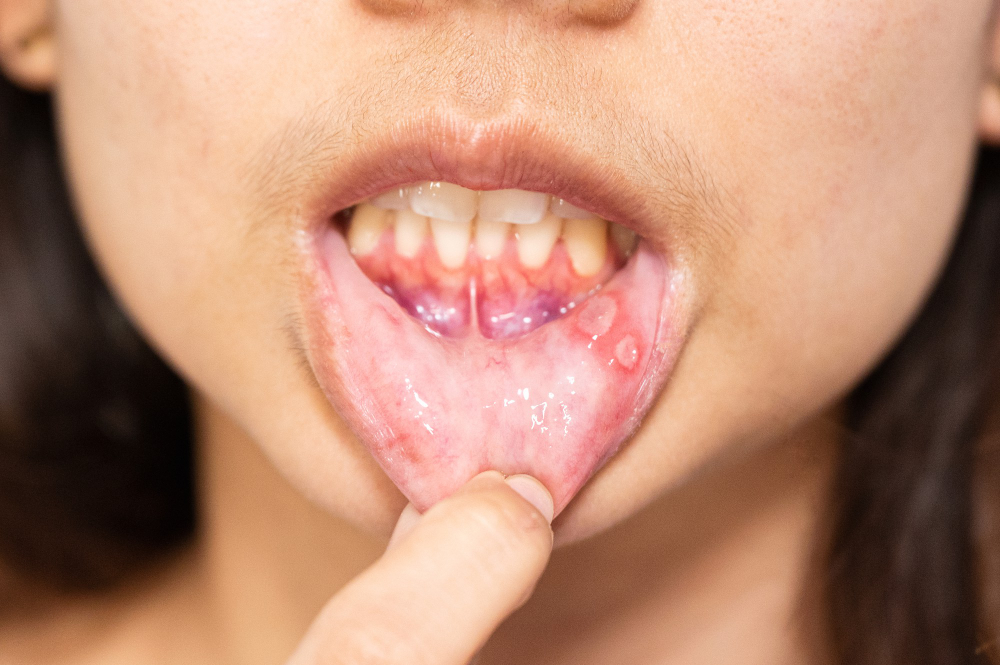
What Are Oral Ulcers?
Oral ulcers, also called mouth sores or canker sores, are small, painful spots inside the mouth. These sores can appear on the tongue, gums, or inner cheeks. While most oral ulcers are not dangerous, they can make eating and talking uncomfortable. Because they are common, many people want to know about oral ulcer treatment and how to prevent mouth ulcers.
Common Symptoms of Oral Ulcers
Oral ulcers have clear signs. However, symptoms can vary from person to person. Here are some common symptoms:
Sometimes, you may notice a tingling feeling before the sore appears. In most cases, these symptoms go away within one to two weeks.
Causes and Risk Factors
Many things can cause oral ulcers. But often, the exact cause is not known. Some common causes and risk factors include:
According to the World Health Organization (WHO), most mouth sores are not linked to serious health problems. Still, some may be a sign of an underlying issue.
Diagnosis of Oral Ulcers
Usually, a dentist or doctor can diagnose oral ulcers by looking at them. However, if sores last longer than two weeks or keep coming back, more tests may be needed. For example, your dentist may:
Early diagnosis helps rule out serious conditions, such as oral cancer or infections.
Treatment Options
Most oral ulcers heal on their own within one to two weeks. But, if you need relief, several oral ulcer treatment options can help:
For frequent or large sores, your dentist may suggest stronger medicines. However, always follow your dentist’s advice before using any treatment.
Prevention Tips and Lifestyle Guidance
While you cannot always prevent mouth sores, some steps can lower your risk. Here are some tips on how to prevent mouth ulcers:
With these habits, you can reduce the chances of getting oral ulcers.
When to See a Dentist
Most mouth sores are harmless and heal quickly. However, you should see a dentist if:
Early care can help find and treat any serious problems.
Frequently Asked Questions (FAQ)
Conclusion and Call-to-Action
Oral ulcers are common and usually heal on their own. However, they can cause pain and discomfort. By knowing the causes, symptoms, and treatment options, you can manage mouth sores better. If you have frequent or severe ulcers, do not wait. Consult a dentist at LUMOS DENTAL CARE for personalized advice on oral ulcers and get the care you need to alleviate discomfort and promote healing.