What Is Oral Cancer Screening?
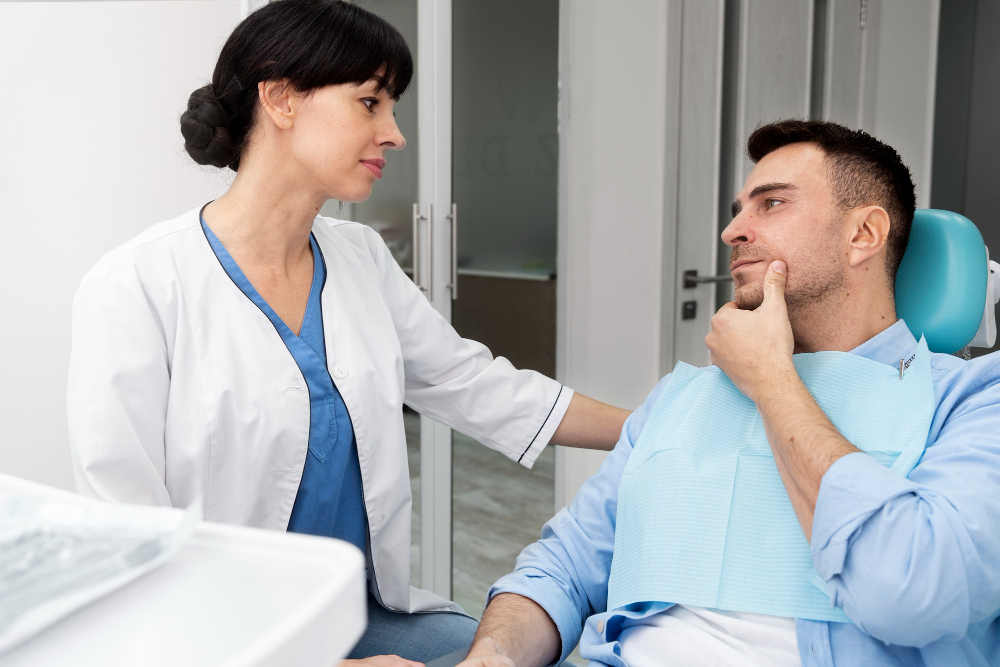
Oral cancer screening is a simple checkup that looks for signs of cancer in your mouth. Dentists or doctors do this exam during a regular visit. The main goal is to find early signs of oral cancer before symptoms appear. Early detection of oral cancer can make treatment easier and more successful. This screening is a key part of a complete oral health checkup. It helps keep your mouth healthy and safe.
Why Is Oral Cancer Screening Important?
Early detection of oral cancer saves lives. When cancer is found early, treatment works better. In fact, the World Health Organization (WHO) says early detection can lower the risk of severe problems. Oral cancer screening helps spot changes before they turn serious. Because many people do not notice symptoms at first, regular screening is crucial. It gives you peace of mind and protects your long-term health.
Who Should Get Screened?
Anyone can get oral cancer, but some people have a higher risk. You should consider oral cancer screening if you:
Even if you have no risk factors, regular oral health checkups are wise. Early detection of oral cancer can benefit everyone.
How Is Oral Cancer Screening Performed?
Oral cancer screening is quick and painless. During your visit, your dentist or doctor will:
Sometimes, special lights or dyes help spot changes. If anything looks unusual, your dentist may suggest more tests. Most people can return to normal activities right after the screening.
Signs and Symptoms to Watch For
It is important to know the warning signs of oral cancer. Watch for these symptoms and tell your dentist if you notice:
Because these signs can also be caused by other problems, it is best to get checked early. Early detection of oral cancer can make a big difference.
Prevention Tips and Lifestyle Guidance
There are steps you can take to lower your risk of oral cancer. Try these healthy habits:
By making these changes, you help protect your mouth and overall health. Prevention is always better than cure.
Frequently Asked Questions
Conclusion and Next Steps
Oral cancer screening is a simple way to protect your health. Early detection of oral cancer can save lives and make treatment easier. Because risk factors vary, regular oral health checkups are important for everyone. If you notice any changes in your mouth, do not wait. Consult a dental professional at LUMOS DENTAL CARE for personalized oral cancer screening advice.